Fitness | RAC Fitness Center

September 29, 2024
2149338046-1280x854.jpg

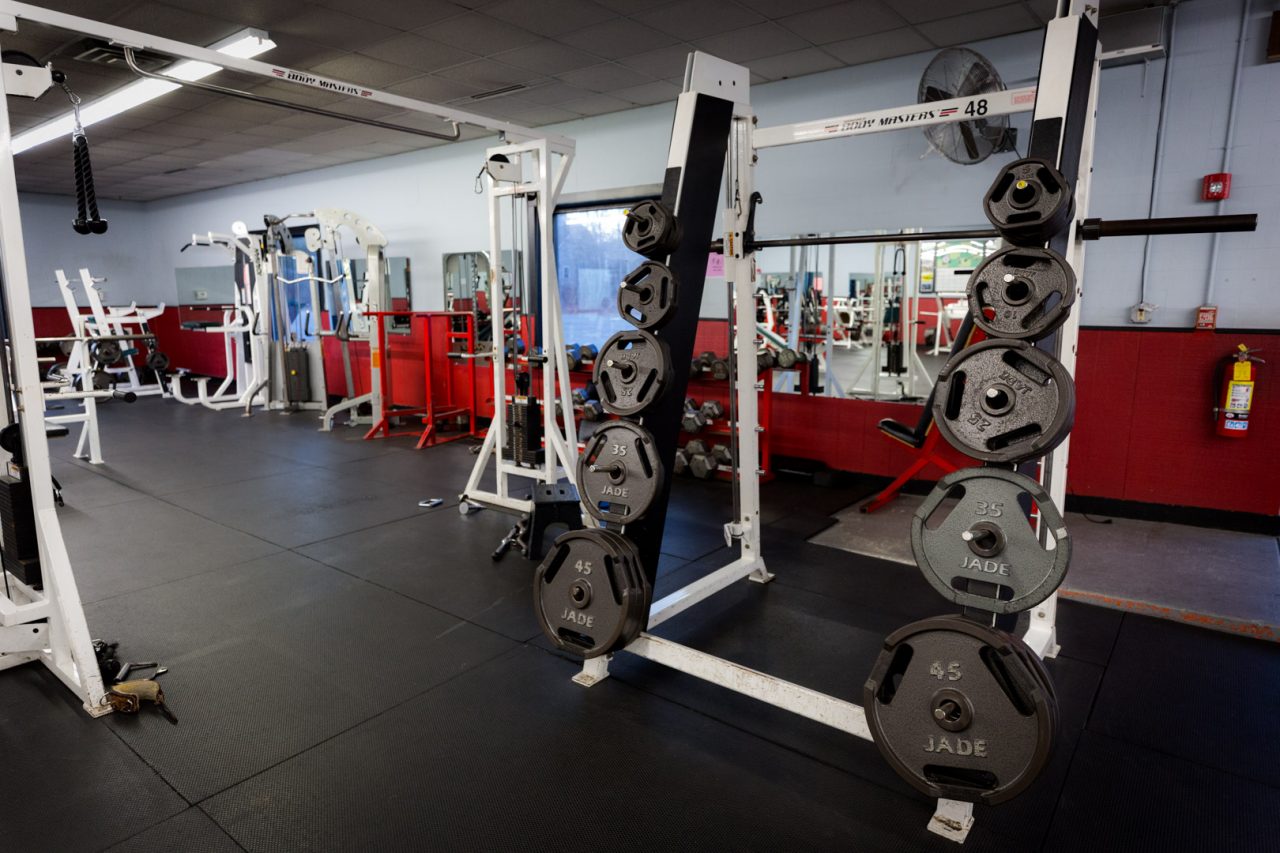
Starting with free weights can be exciting but also a bit daunting. Free weights like dumbbells, barbells, and kettlebells are great for building strength and muscle. They offer a lot of flexibility in how you work out, letting you target specific muscle groups. However, to make the most of your training and avoid injury, it’s crucial to learn the basics first.

When you’re just beginning, understanding different types of free weights is important. Each type serves a unique purpose and can help you reach various fitness goals. For example, dumbbells are versatile and good for a range of exercises. Barbells allow you to lift heavier weights once you get the hang of things. Knowing the benefits of each will help you choose the right ones for your workouts.

Another key aspect is safety. Many beginners make the mistake of jumping in too fast or using improper form, which can lead to injuries. Simple tips and techniques can go a long way in helping you lift safely and effectively. Warming up properly, using spotters, and knowing how to avoid common mistakes are all part of training smart.

In this guide, we’ll walk you through the essentials of free weight training, from understanding the different types of weights to creating a balanced workout routine. Whether you’re lifting for the first time or looking to improve your technique, this guide has got you covered.

The Basics of Free Weight Training

Understanding Different Types of Free Weights

Free weights come in various forms, each serving a unique purpose in your fitness routine. Dumbbells are handy because they can be used for many exercises targeting different muscle groups. They come in various weights, making them perfect for beginners and experienced lifters alike. Barbells are long bars that you can add weight plates to, ideal for compound exercises like squats and deadlifts, which work multiple muscle groups at once. Then there are kettlebells, which have handles and can be used for dynamic exercises like swings, involving both strength and cardiovascular training.

Importance of Proper Form

Using proper form is crucial when lifting free weights. Good form not only maximizes the effectiveness of your workout but also minimizes the risk of injury. Start with a comfortable weight and focus on your technique. Keep your back straight, your core engaged, and move through the full range of motion for each exercise. If you’re unsure about your form, consider asking a more experienced gym-goer for advice or watching tutorial videos. Performing exercises correctly ensures that you target the intended muscles and get the most out of your workout.

Benefits of Free Weight Exercises

Free weight exercises offer several benefits that can enhance your overall fitness. First, they allow for a full range of motion, improving both flexibility and strength. Second, free weights help develop muscle balance, as they require stabilizing muscles to work, unlike machines that often guide your movements. Third, free weight training can be more functional. The movements often mimic real-life activities, which can help improve your performance in daily tasks and sports. Finally, they can be more versatile. With just a simple set of dumbbells, you can perform countless exercises, making them perfect for home workouts as well.

Essential Safety Tips for Beginners

Warm-Up and Stretching Techniques

Before you start lifting, always warm up. A proper warm-up increases blood flow to your muscles, making them more flexible and less prone to injury. Spend at least 5-10 minutes doing light aerobic exercises like jogging or jumping jacks. After your warm-up, stretch the major muscle groups you plan to work on. Dynamic stretching, such as arm circles or leg swings, prepares your muscles for the workout and increases your range of motion.

Using Spotters and Safety Equipment

Safety should always come first in weight training. When lifting heavy weights, having a spotter can be a lifesaver. A spotter can help you lift the weight safely and provide assistance if you struggle to complete a lift. Additionally, using safety equipment such as weightlifting belts and wrist straps can provide extra support. Belts can help stabilize your lower back, while wrist straps can offer extra grip strength, making heavy lifts safer and more manageable.

Recognizing and Avoiding Common Injuries

Knowing how to recognize and avoid common injuries can keep you safe as you train. The most frequent injuries include strains, sprains, and lower back pain. To prevent these, always start with lighter weights to perfect your form before gradually increasing the weight. Listen to your body; if you feel pain (not to be confused with the typical burn of a good workout), stop immediately and reassess your form or the weight you’re using. Also, incorporate rest days into your routine to allow your muscles to recover and grow stronger. Taking the time to educate yourself about these risks and how to prevent them can make your lifting experience both safe and rewarding.

Beginner-Friendly Free Weight Exercises

Step-by-Step Guide for Each Exercise

Starting with basic exercises is the best way to get comfortable with free weights. One useful exercise is the dumbbell bicep curl. Stand with your feet shoulder-width apart and hold a dumbbell in each hand with your arms at your sides. Slowly curl the weights up to your shoulders while keeping your elbows close to your body, then lower them back down. Another great exercise is the dumbbell shoulder press. Sit or stand with a dumbbell in each hand at shoulder height, palms facing forward. Push the weights upwards until your arms are fully extended, then return to start.

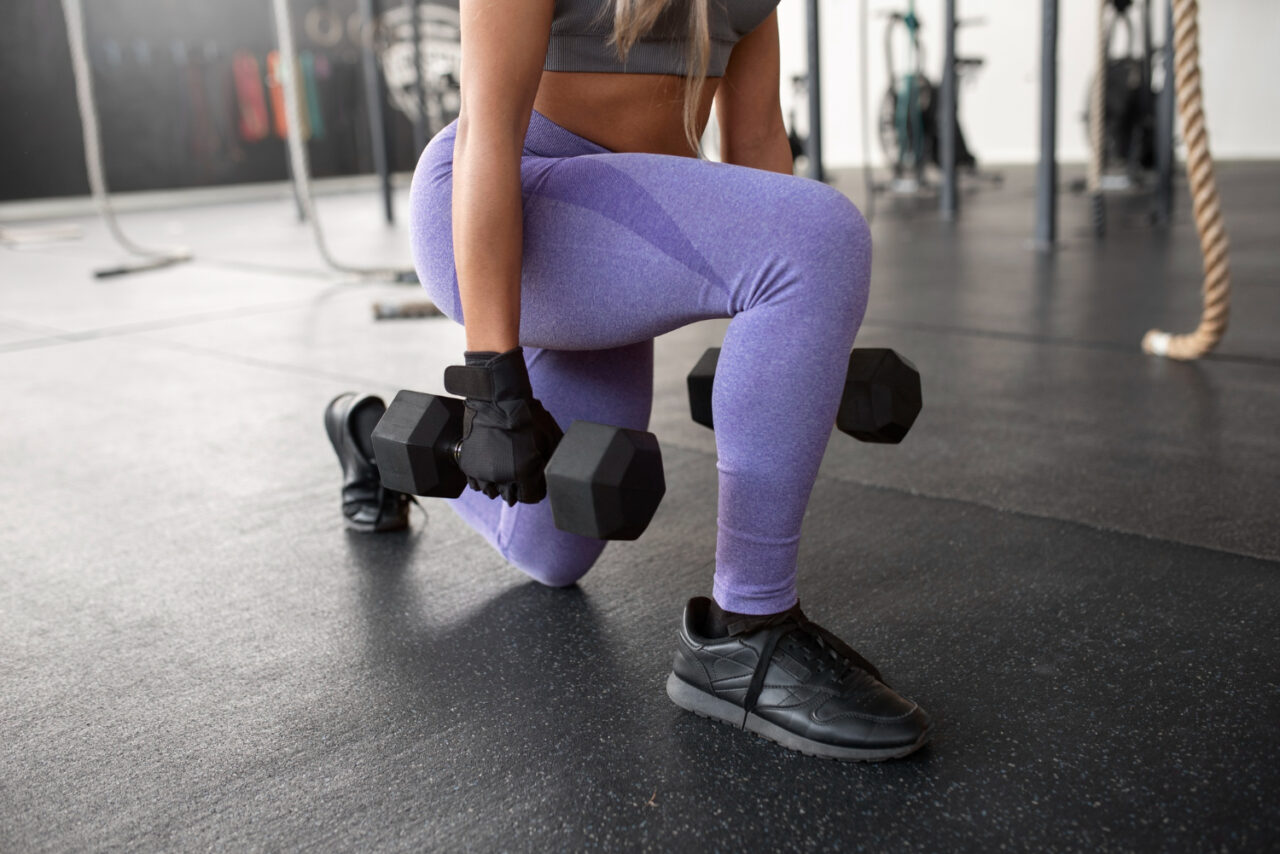
Include the dumbbell squat in your routine for your lower body. Hold a dumbbell in each hand at your sides or on your shoulders. Stand with your feet shoulder-width apart and slowly bend your knees, lowering your hips as if sitting in a chair. Be sure to keep your back straight and chest up. Once your thighs are parallel to the ground, push through your heels to return to the starting position.

Equipment Needed for Beginner Exercises

For these beginner exercises, you only need a set of dumbbells, which can vary in weight depending on your strength level. Start with lighter weights to ensure you maintain proper form and gradually increase the weight as you become more comfortable. A basic bench can also be handy for exercises like the dumbbell bench press, where you lie on the bench and push the weights upwards from your chest. This helps target your chest and triceps effectively.

Tips for Gradually Increasing Weight

As you get stronger, it’s important to gradually increase the weight you lift to continue making progress. A good rule of thumb is to increase the weight by about 5-10% once you can easily complete your sets with proper form. For instance, if you manage 12-15 reps without too much effort, try using a slightly heavier dumbbell next time. Always listen to your body and ensure you’re comfortable with the new weight before incorporating it into your regular routine.

Creating Your Free Weight Workout Routine

Setting Realistic Goals and Tracking Progress

Setting achievable goals is vital for long-term success. Start with small, specific goals such as improving your form on certain exercises or increasing the weight you lift over a few weeks. Track your progress by keeping a workout journal, noting the exercises you did, the weight used, and the number of reps and sets. This makes it easier to see your improvements and adjust your goals accordingly.

Balancing Different Types of Exercises

A well-rounded free weight routine includes exercises that target major muscle groups. Balance your workout by incorporating push and pull exercises, as well as moves for your upper and lower body. A good weekly routine might include push exercises like bench presses and shoulder presses, pull exercises like rows and bicep curls, and lower body movements like squats and lunges. This balanced approach helps ensure you build strength evenly and reduce the risk of overworking certain muscles.

Adjusting Your Routine Over Time

As you progress, your workout routine will need adjustments to keep challenging your muscles. This might mean adding in new exercises, increasing the weight you lift, or changing the number of sets and reps. For example, after a few weeks of sticking to the same routine, try adding an extra set or incorporating a new exercise that targets different muscles. Consistently mixing things up ensures that your workouts remain effective and engaging.

Conclusion

Using free weights can be a great way to build strength and improve overall fitness. By understanding the different types of weights, focusing on proper form, and following essential safety tips, you can make the most out of your training. Starting with beginner-friendly exercises lets you learn the basics and gradually gain confidence. Creating a personalized workout routine helps you set realistic goals and keeps your workouts balanced and effective.

Always remember the importance of tracking your progress and making small adjustments over time. This not only keeps your muscles challenged but also makes your fitness journey more enjoyable. Consistency and patience are key. By steadily increasing the weight and varying your exercises, you’ll continue to see improvements in your strength and endurance.

Ready to put these tips into action and start lifting today? Visit Raynham Athletic Club and try out our wide range of free weights and other fitness equipment. Take the first step towards a stronger, healthier you with the help of our Raynham fitness center!



August 14, 2023
Untitled-design-2023-08-14T083907.834-1280x853.png


Exercise is not just about shedding pounds or building muscles – it’s a powerful tool that contributes to overall well-being. Whether you’re a fitness enthusiast or just starting out on your journey, the benefits of regular physical activity are truly remarkable.

Physical Health Benefits

Engaging in regular exercise offers a plethora of physical health benefits:

  • Improved cardiovascular health, reducing the risk of heart diseases and stroke.
  • Enhanced muscle strength and endurance, promoting better posture and reduced risk of injury.
  • Weight management and a boosted metabolism.

“Physical fitness is not only one of the most important keys to a healthy body, it is the basis of dynamic and creative intellectual activity.” – John F. Kennedy

Mental Well-being

Exercise has a profound impact on mental health and well-being:

  • Release of endorphins, which act as natural mood lifters, reducing stress and anxiety.
  • Improved cognitive function, memory, and focus.
  • Enhanced sleep quality, leading to better rest and rejuvenation.

“Exercise is the key not only to physical health but to peace of mind.” – Nelson Mandela

Social Benefits

Beyond the individual advantages, exercise can have positive effects on your social life:

  • Opportunities to connect with others through group activities or fitness classes.
  • Improved self-confidence and body image, leading to more fulfilling social interactions.
  • Shared goals and achievements with friends or workout partners.

Getting Started

If you’re new to exercising, it’s important to start slowly and choose activities you enjoy. Remember, consistency is key to reaping the benefits of exercise. Consult a healthcare professional before beginning any new fitness regimen, especially if you have pre-existing health conditions.

Incorporating regular physical activity into your routine can truly transform your life. Whether you’re aiming for a healthier body, a sharper mind, or a more vibrant social life, exercise paves the way for a brighter and more fulfilling future.

“The only bad workout is the one that didn’t happen.” – Unknown


Exercise
Disclaimer: This article is for informational purposes only and should not be considered medical advice. Consult with a qualified healthcare professional before making any changes to your exercise routine or lifestyle.


May 20, 2023

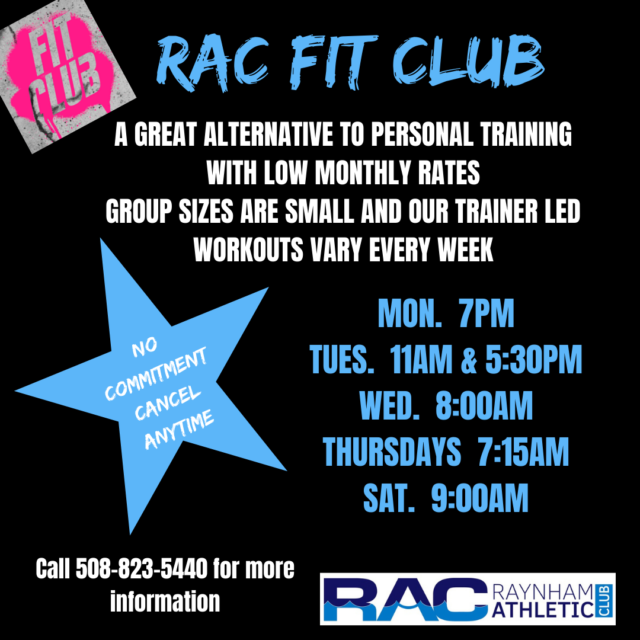
          Are you bored with your routine or just don’t know what to do with yourself at the gym? Fit Club is for you! The RAC Fit Club, starting back up again on Monday, June 5th,  is an excellent personal training option!  With low monthly rates, small group sizes, and different workouts each week, you could become your best self with Fit Club. We provide you with the following:

  • Trainer guided sessions

  • A fun small group setting

  • Accountability 

  • Motivation 

          There is no commitment; you can upgrade, downgrade, or cancel with a 14 days notice. Having a group of people to exercise with can make a huge difference, not to mention that by paying for a spot, you are holding yourself accountable to show up.  We will plan the workout; all you need to do is be there!  The gym can be intimidating, so why not do yourself a favor and join Fit Club.  Call the RAC at 508-823-5440 for more information or to sign up!


October 18, 2021
blog-Photo-PT-1-1280x960.jpg

Is a Personal Trainer *ACTUALLY* Worth It?!

So let’s be honest first; I used to think that a personal trainer was a huge gimmick that they tried to hustle you into when you first joined a gym. I had this wild belief that unless this trainer could make me look like a supermodel or an athlete, then there is absolutely no way that it would be worth it. Well as I have gotten a little older and wiser, let me tell you that my opinion has most definitely transformed. Hear me out because I was once just as skeptical as you!

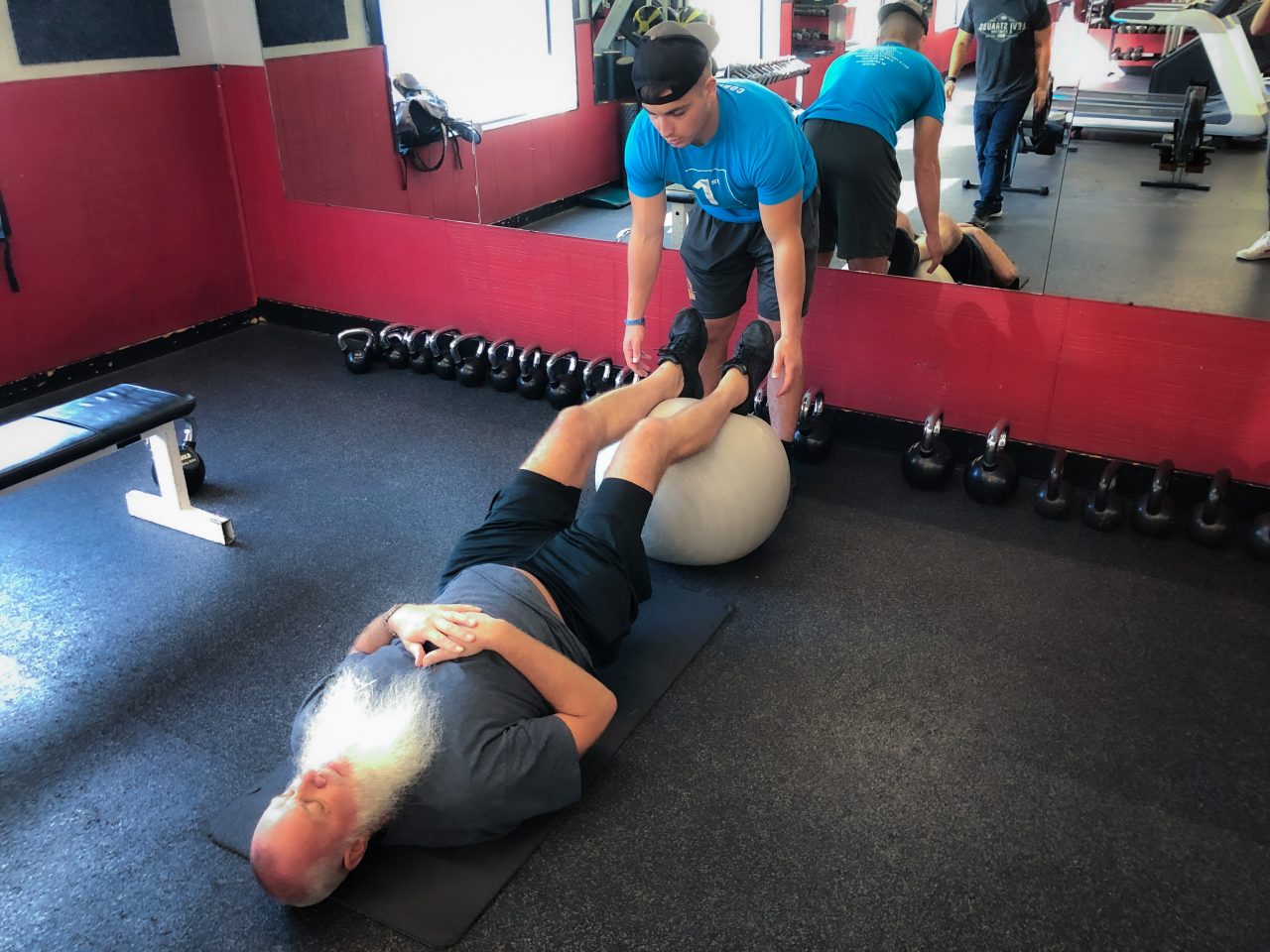
MOTIVATION – Most people will agree that as we get older and life gets busier, the motivation to workout becomes a little less.  Motivating yourself to get to the gym is almost the hardest part; being productive once you get there might have it beat. If you are anything like me, you might need the reminder that staring at workouts on your phone for 45 minutes does not actually count as working out. A trainer motivates you to get to the gym and literally tells you what to do once you get there. They want to make sure that you are productive during your time at the gym. Creating goals and reaching milestones with your trainer will ignite that little spark for exercising that you may not have even known was there.

ACCOUNTABILITY& CONSISTENCY- The exercise spark has come back a little, but we all know how easily that spark blows out after a couple weeks. A trainer is there to hold you accountable and to remind you that you wanted this. They will not let you forget because it’s literally their job. You now have someone to answer to if you didn’t work out at all since your last meeting and it will be obvious. Feeling their disappointment and the pain of your now difficult work out should serve as a lesson to put in the work. The expectations of your trainer outside of your training session hold you accountable and create consistency.  Their mission is to keep the spark alive, create strong habits, and build strength so that you may create a healthy routine and accomplish your goals.

CONFIDENCE- So you joined a new gym, but how much of the equipment do you actually know how to use? How much of it will you probably not take advantage of because of your comfort level? I have definitely been in this boat before. It is intimidating to sometimes try something new, but what if you could ask for help? A trainer will not only serve as a guide to navigate your new gym, but they will work with you to build a routine. In a short time, you will feel more comfortable with the equipment and a routine to ensure that you are getting the most out of your new gym!

KNOWLEDGE& SAFETY– A personal trainer is basically a teacher. They are there to teach you how to work out, but in a way that is best for you. As they get to know you, they learn your strengths and weaknesses and tailor each workout specifically for you. Working with you to meet your personal fitness goals in the most efficient and safest way possible is their priority. With their knowledge, they will guide you through your new routine with correct form and precautions when necessary. The mission of your trainer becomes keeping both you and your body heathy for years to come!

Trust me, Try a trainer and you will not be sorry that you did!


September 25, 2020
E2A6815-2-1280x853.jpg

Choosing a gym sounds like an easy task, but in reality it is much more difficult than that. This decision will not only affect your finances but also your physical and mental health. It is understandable that you would want to take time to consider which gym option would work best for you. You aren’t alone in feeling a bit of anxiety over this kind of monumental decision! Don’t worry though, consider me a helpful travel guide as you navigate this important decision. There are some things that must be thought about before even stepping foot into the gym. 

To get us started down this choosing a gym road, I have come up with a few things you will want to consider before deciding on a gym.


Gyms Cost (per month & depending on membership type) Joining Fee # of Classes & if they are included with membership Childcare* Extras*
RAC $20 – $84.95 $50 (Only for non-commit membership and workout buddy),  15 different types (Included)(about 40 classes/week) Included Basketball court, pickleball, heated pool, sauna, steam room*
Taunton YMCA $24.50 – $63 $50 (Only for Family or Adult membership) 13 different types (Included) Included Basketball court, pool, indoor track, racquetball court
Planet Fitness $10 – $22.99 Currently $1 down (Changes depending on when you join) No classes No Affordable
Gold’s Gym $29.95 – $129 $0 – $25 (Depending on membership type) ~12 (Both in person and virtual classes included) Included Smoothie bar, sauna/steam room*, women only workout area
Bridgewater Fitness $34.95 – $99 34.95 (Only for monthly memberships 10 different types (Spin classes are an additional cost) Additional Display featuring protein bars, supplements and energy drinks for members to purchase
WOW 14.99 – $39.99 $1 (Only for non-commit) 13 types (Included with platinum or titanium membership only) Included with certain memberships Tanning, guest privileges, titanium training (depends on membership type)
East Coast Fitness $29 – $58 $58 (Single membership) / $87 (Couple) 8 different types (Included) Small fee ($2 for first hour, $1 per additional 30 mins) Tanning, supplement & smoothie station
Fit Factory $10 – 29.99 $49.99 (Annual fee) ~7 different types (Included for certain memberships) Included in most memberships Food & juice bar, tanning, women’s only area, sauna & steam *

* Normally available but coronavirus could have affected this gym aspect

Cost

While this may seem simple, it is definitely something that you will want to consider. Signing a contract and then realizing you can’t make the monthly payments, isn’t something anyone wants. Make sure to ask if there is any sort of joining fee, because you will want to consider that when figuring out your gym budget.  Especially because canceling your contract could come with a hefty price tag. 

Goals

Really sit down and think about what kind of gym goals you want to accomplish. Your goals will impact what kind of facility you are looking for. For example, if your goal involves working on your swimming, you will need a gym with a pool. 

Membership 

Ask what is included in your future gym membership. Most gyms will always include access to standard cardio and weight lifting equipment. But!!! Do you need heavier weights because you dream to pick up all the heavy things? Do you dream of joining a high energy dance party every weeknight? If you answered yes (or even no), then you will need to find a gym that meets your specific needs, like one with extensive weight equipment or a gym where you don’t have to pay extra for classes. 

Facility 

Some important features to consider about the facility include: hours they are open, childcare, facility size and location. Maybe you are an early bird who likes to workout before work to help energize your day or maybe you prefer in the evening to help relieve stress from the day. Not only are the hours important but so is the location! One study found that the closer you are to your gym, the more frequently you will go. Some people prefer the equipment selection of a large gym, while others prefer the close knit feel of a smaller gym. Busy parents would most likely want childcare included in their membership. Whichever features you need, make sure your gym has them!!!! 

Why the Raynham Athletic Club?

The Raynham Athletic Club (RAC) is a small, locally owned fitness facility. We strive to make you feel welcome as soon as you walk through the doors. The RAC isn’t just a gym, it is so much more. It is a sense of community. It is staff that will greet you with a smile, class instructors that become friends and other members that become like family. It is an individualized experience tailored to your specific goals and needs. With new management in place, the RAC is working to establish itself as a members oriented gym. A gym where staff works directly with you and helps you achieve your goals. We don’t want you to get lost in your journey to a healthy lifestyle but to work with you every step of the way, from nutritional goals, losing weight to gaining healthy muscle, or just staying healthy. Yes there are all kinds of Gyms with different business goals. Some of them as you can see above are less expensive and financially it might make sense. But without guidance, without motivation, you may just end up paying the fee and never show up. Joining the gym or club is the easy part, but motivating yourself to go to the gym or club is the crucial part. This is now an important focus at the RAC.  We want to walk side by side in your fitness journey. We want to build a relationship with you so that you feel excited to come work out. This is how we distinguish ourselves from other gyms.  The RAC also is the home to Bay State Physical Therapy, Kneadful Massage, Karate, SoMAFIT, swim lessons and even a dance studio, Susan winter school of Dance. All of the previously mentioned businesses are located right in the gym building, so everything is in an easily accessible location for members. Lisa Shaw is not only one of our fabulous cycling instructors but also has been a member for many years. She actually became a cycling instructor because she loves our cycling classes so much! When asked to describe the RAC she said: “The RAC is all about the members! The bonds and relationships you form with each other, make this gym so unique”.  Come and try us out! If you don’t want to make a commitment, we have a plan for that, if you want a short term commitment, we have a plan for that too. If you are coming with your workout buddies, we have amazing deals for that also.  Come try us free for a day, we are positive that you will have a great experience!